Shower Stools for Bathrooms: What Matters in Practice
Introduction
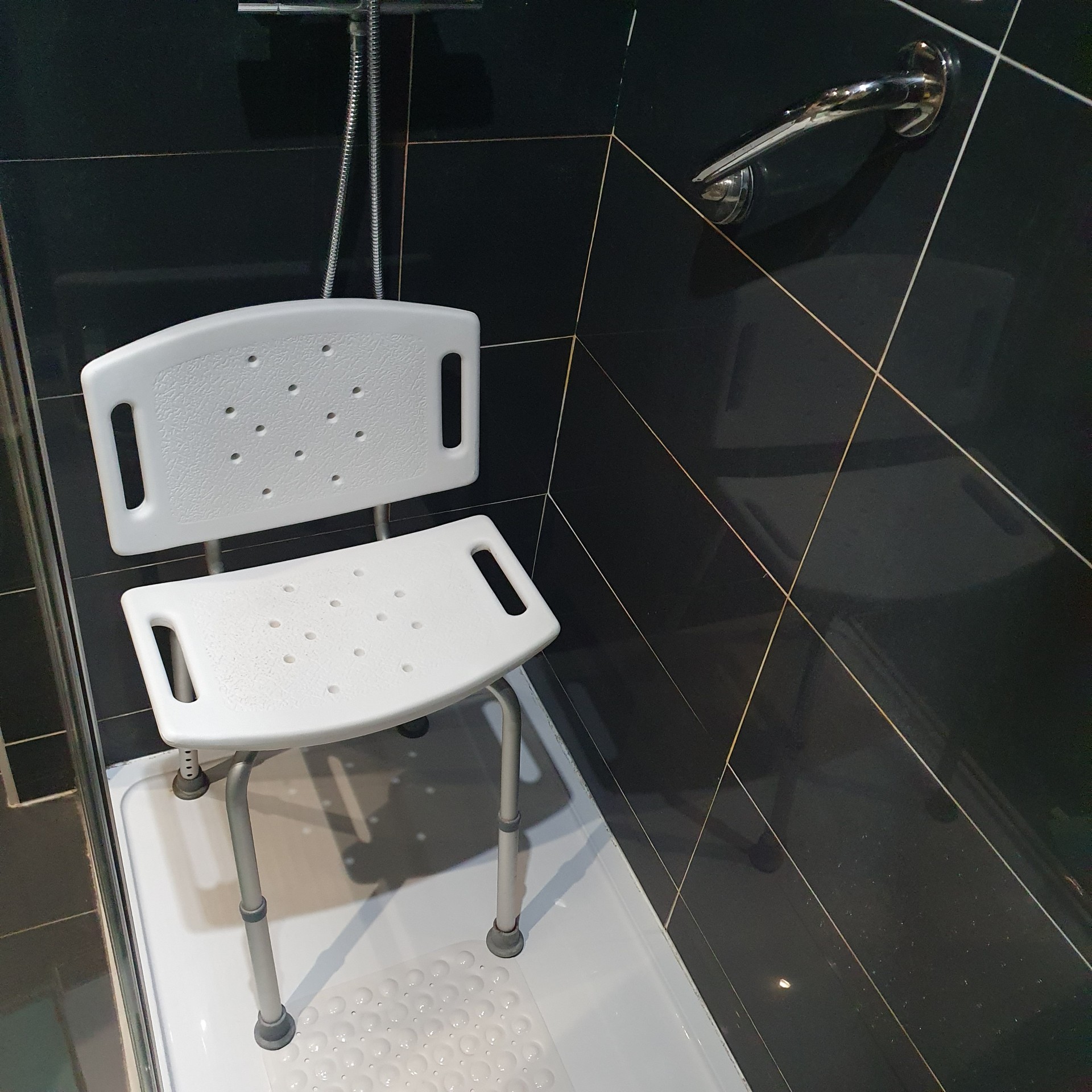
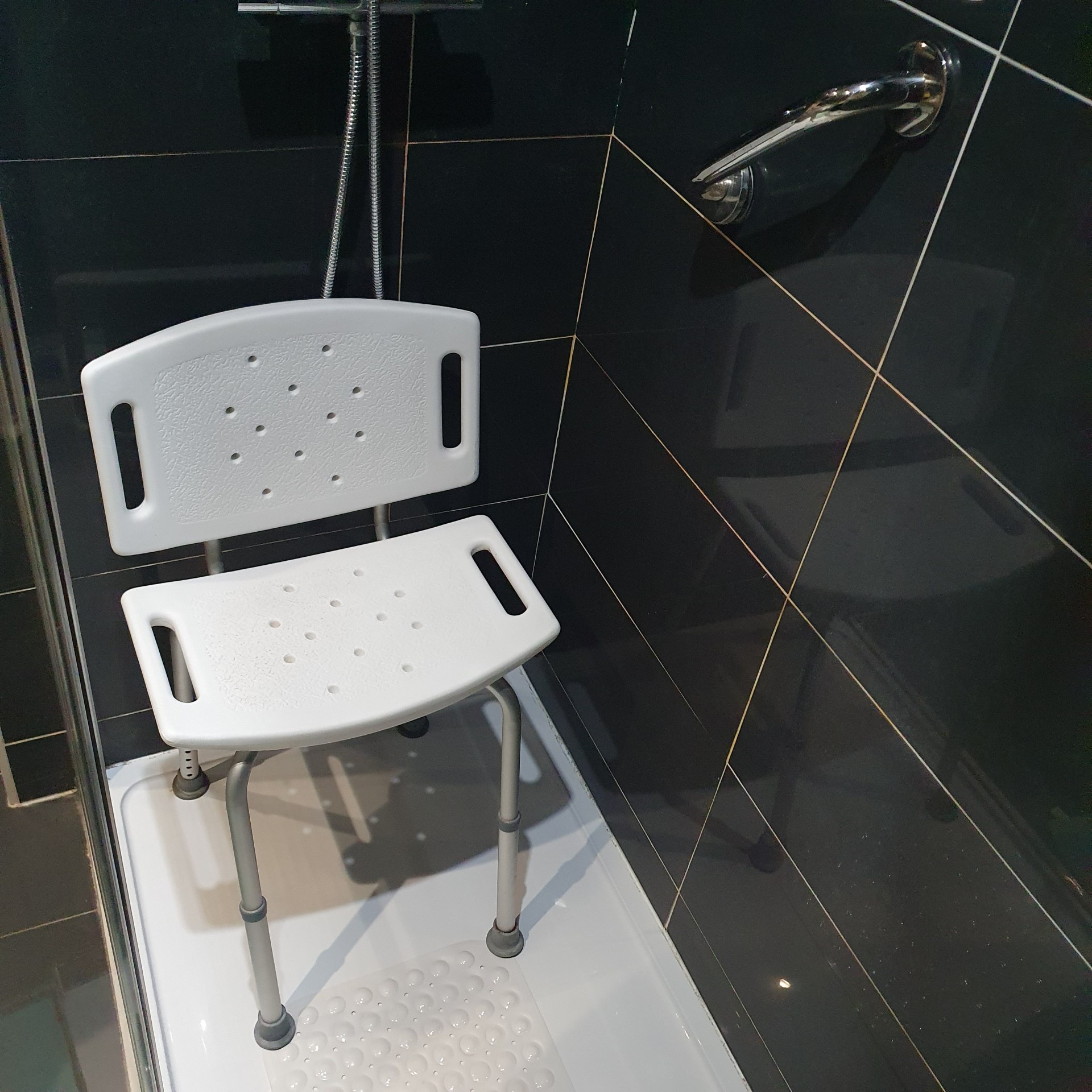
Shower stools for bathrooms can provide a simple and practical way to sit safely while washing, particularly where standing for longer periods becomes more difficult.
In practice, there are several different types available, including standard stools, swivel seats, foldable options and designs that provide additional support. The differences between them are not always obvious, but they can make a meaningful impact on comfort, stability and ease of use.
This guide looks at a range of shower stools for home use and explains what matters in practice when choosing between them.
As an Amazon Associate I may earn a small commission if you choose to purchase through links on this page, at no additional cost to you.
I only recommend products that support safety, comfort and independence at home.
What to Consider When Choosing Shower Stools for Bathrooms
Shower stools come in a variety of shapes and sizes, and the most suitable option often depends on how much space is available inside the shower area. .
Seat size and overall footprint
In smaller bathrooms, a compact stool can make it easier to move comfortably inside the shower. Round or triangular seats are often designed to take up less space than wider square models.
Height adjustability
Many shower stools include adjustable legs so the seat height can be changed to suit the user. This can help ensure the stool sits comfortably at a suitable height for sitting and standing.
Weight capacity
Different stools are designed to support different levels of weight. Checking the manufacturer’s stated weight capacity can help ensure the stool provides the level of support expected.
Stability and leg design
Wide-set legs and non-slip rubber feet can help keep the stool stable on wet surfaces. Some designs also include cross-bracing or reinforced frames to increase stability.
Storage and portability
In very small bathrooms, it may be helpful to choose a stool that can be folded, moved easily, or repositioned when the shower is not in use.
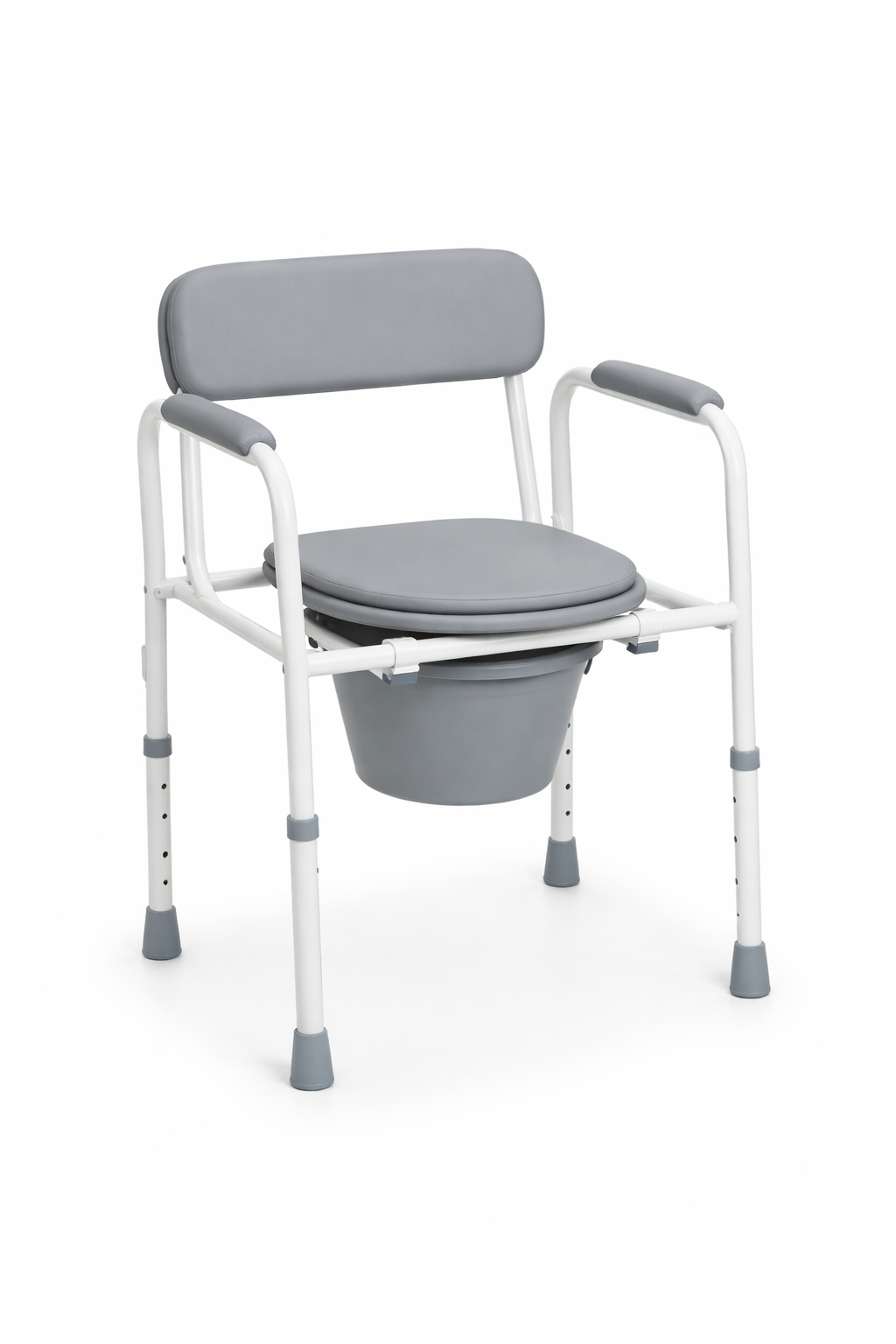
In some situations a shower chair may be preferable to a stool.
| Product | Type | Size (approx) | Weight Capacity | Key Feature | Best For |
|---|---|---|---|---|---|
| Drive Rotary Shower Stool | Swivel | 43 x 43 cm | 135kg | Rotating seat | Easier positioning |
| HXSEMAYIG Shower Stool | Foldable | 46 x 44 cm | 181kg | Foldable design | Storage / portability |
| Ez2Care Shower Stool | Narrow | 43 x 26 cm | 136kg | Lightweight | Smaller spaces |
| HOMCOM Shower Stool with Arms | Comfort | 52 x 45 cm | 150kg | Arms + padded seat | Extra support |
| Fullot Triangular Shower Stool | Corner | 42 x 40 cm | 181kg | Triangular shape | Space-saving |
| Vevor Round Shower Stool | Standard | 30 x 32 cm | 136kg | Simple round seat | General use |
Product Reviews
Drive Rotary Shower Stool
The Drive Rotary Shower Stool features a swivel seat that helps with positioning while seated.
Key features
- Rotating seat
- Adjustable height
- Compact round design
Pros
- Easier movement while seated
- Reduces twisting
- Well-reviewed
Considerations
- No arm support
- May feel less stable for some users
Why it works in practice
A swivel seat can make a noticeable difference where turning is difficult, reducing strain during washing.
HXSEMAYIG Foldable Shower Stool
The HXSEMAYIG Shower Stool is designed to fold away, making it easier to store or move when not in use.
Key features
- Foldable design
- Portable
- Higher weight capacity
Pros
- Easy to store
- Useful for shared bathrooms
- Strong frame
Considerations
- Not height adjustable
- Less customisable fit
Why it works in practice
A foldable stool can be useful where space is limited or the bathroom is used by others.
Ez2Care Narrow Shower Stool
The Ez2Care Shower Stool has a narrower design, making it suitable for smaller shower spaces.
Key features
- Narrow seat width
- Adjustable height
- Lightweight
Pros
- Fits smaller showers
- Easy to reposition
- Very well reviewed
Considerations
- Less seating area
- No arms
Why it works in practice
A narrower stool can make showering more manageable where space is limited.
HOMCOM Shower Stool with Arms
The HOMCOM Shower Stool with Arms provides additional support, with armrests and a padded seat for comfort.
Key features
- Armrests
- Padded seat
- Adjustable height
Pros
- Increased stability
- More comfortable
- Support when standing
Considerations
- Takes up more space
- Less discreet
Why it works in practice
Extra support can improve confidence, particularly where balance or strength is reduced.
Fullot Triangular Shower Stool
The Fullot Triangular Shower Stool is designed to fit neatly into corners, helping to maximise space.
Key features
- Triangular shape
- Adjustable height
- Compact footprint
Pros
- Space-saving design
- Good stability
- Suitable for smaller showers
Considerations
- Fixed seating position
- Less flexible placement
Why it works in practice
Corner designs can make better use of space in smaller bathrooms.
Vevor Round Shower Stool
The Vevor Round Shower Stool is a simple, standard option suitable for general use.
Key features
- Round seat
- Adjustable height
- Lightweight
Pros
- Simple and practical
- Easy to use
- Compact
Considerations
- No additional support
- Basic design
Why it works in practice
A straightforward stool can be all that’s needed where balance is good and only a resting point is required.
Final Thoughts
Shower stools for bathrooms come in a range of designs, from simple, lightweight options to more supportive models with arms, padding or swivel features.
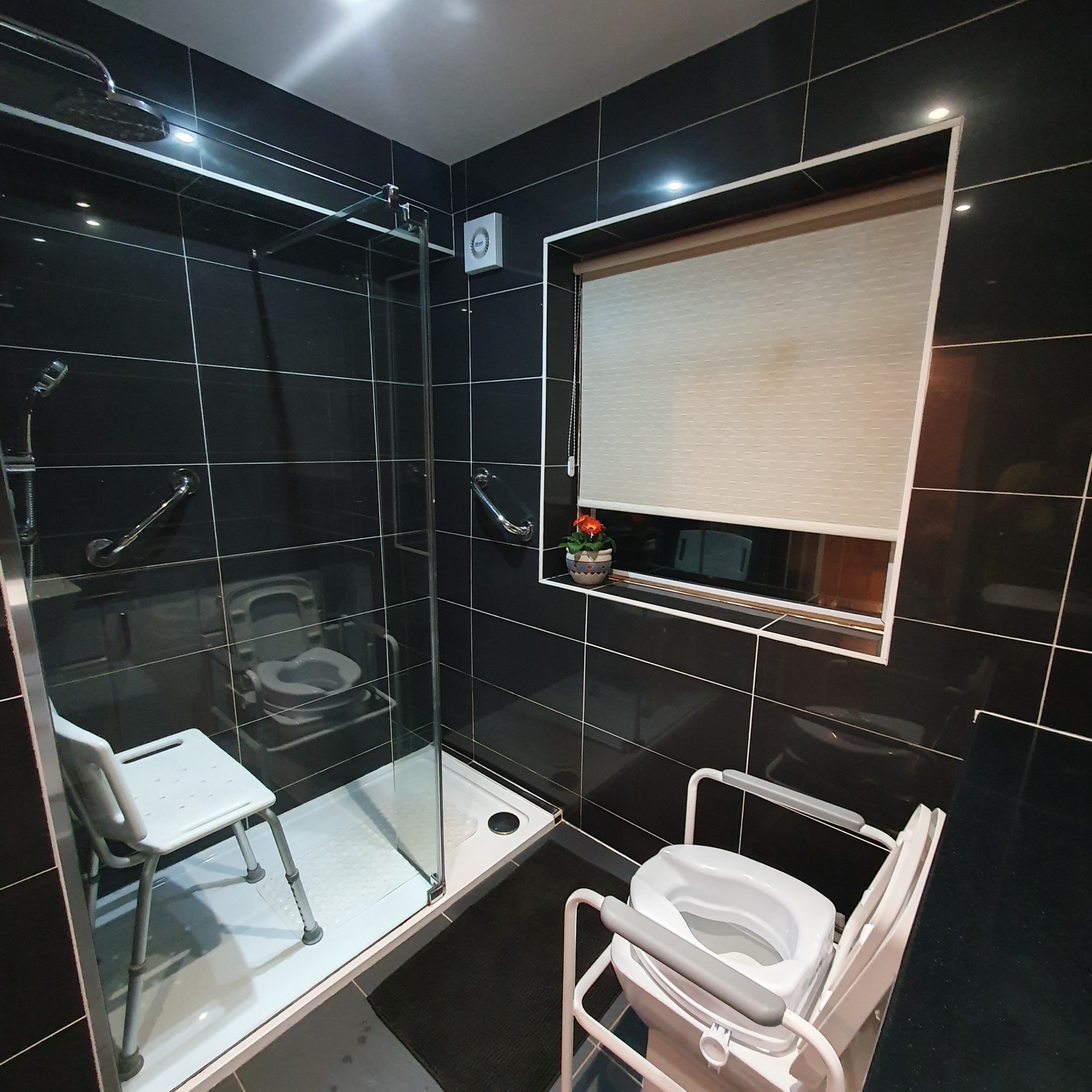
In practice, the most suitable choice often depends on the amount of support needed, the space available and how the stool will be used day to day. In some bathrooms, a stool may be used together with other supports such as grab bars and non slip bath mats to help provide extra stability when sitting or standing up.
Simpler stools can work well where balance and confidence are maintained, while more supportive designs may be helpful where additional stability or assistance is needed.
Taking time to choose a stool that fits both the space and individual needs can make showering feel safer, more comfortable and easier to manage.